


-

Add: HeBei ShengShi HongBang Cellulose Technology CO.,LTD.
-

Email
13180486930@163.com -

CONTACT US
+86 13180486930
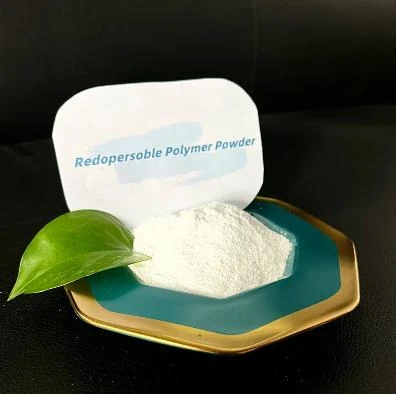
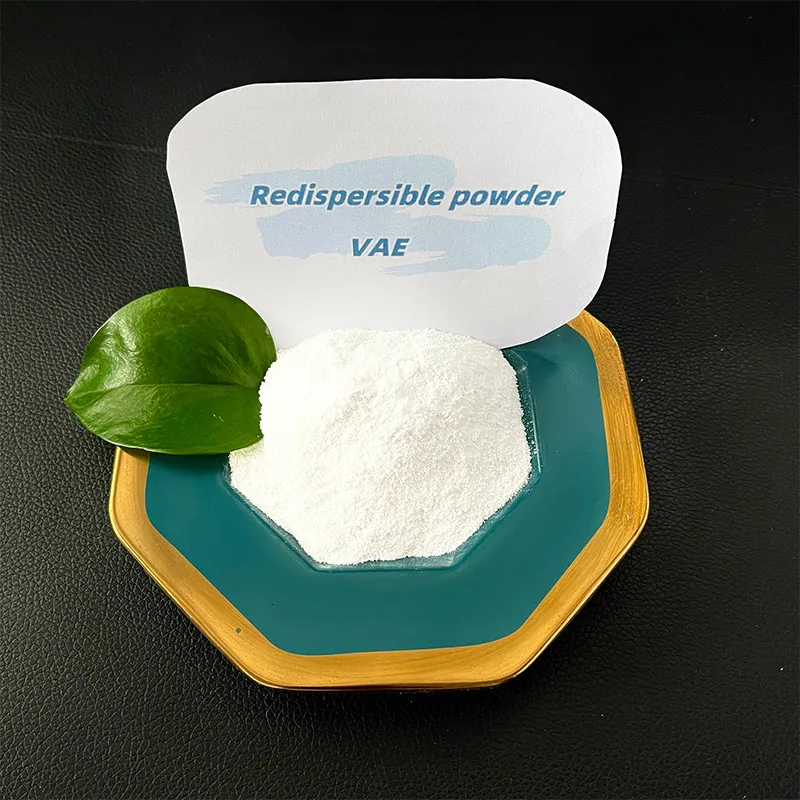
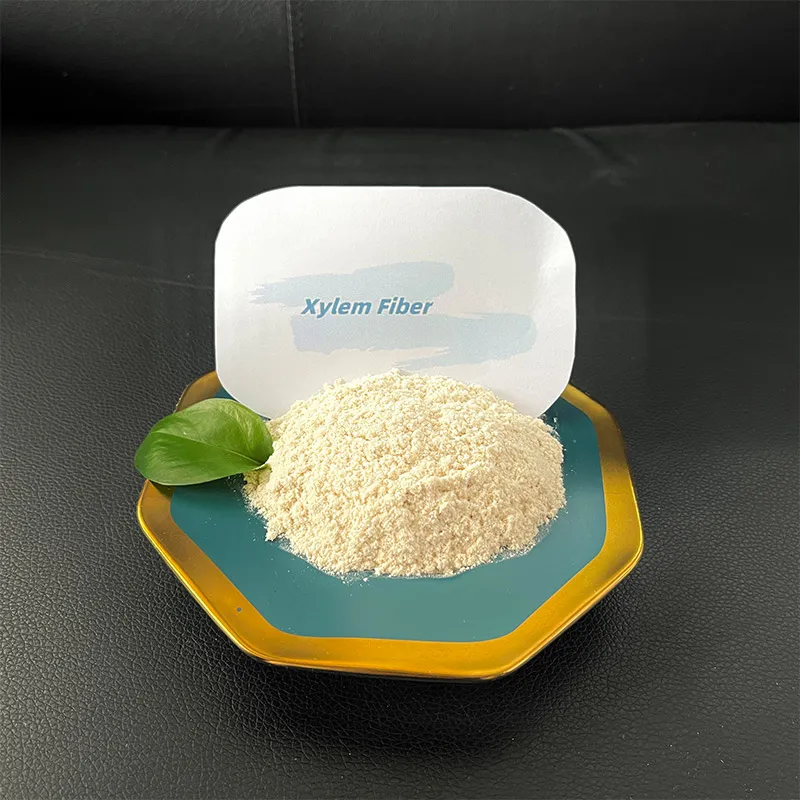


Introduction to Xylem Fiber Xylem fiber, a natural and renewable resource derived from wood, has emerged as a transformative material in modern industries. This eco-friendly and versatile fiber undergoes advanced chemical and mechanical treatments to enhance its properties, making it suitable for a wide range of applications. From construction to asphalt and medium density fiberboard (MDF), Xylem Fiber is redefining sustainability in manufacturing. Developed by HeBei ShengShi HongBang Cellulose Technology CO.,LTD., this material aligns with global efforts to reduce environmental impact while improving product performance. Learn more about Xylem Fiber . Key Features of Xylem Fiber Xylem Fiber is distinguished by its natural origin, renewable sourcing, and multifunctional properties. Unlike synthetic alternatives, it is derived from wood pulp, ensuring biodegradability and minimal ecological footprint. The material is processed through chemical treatments and mechanical refinement to achieve optimal strength, absorbency, and workability. These enhancements make it compatible with various industrial applications, from concrete reinforcement to biodegradable sponges. Advantages of Xylem Fiber The integration of Xylem Fiber into industrial processes offers numerous benefits. Its enhanced structural properties improve the strength and durability of materials like concrete, mortar, and gypsum products. Additionally, it reduces the reliance on traditional raw materials, contributing to resource conservation and carbon footprint reduction. For example, in asphalt manufacturing, Xylem Fiber acts as a reinforcing agent, extending the lifespan of roads and reducing maintenance costs. Explore the advantages of Xylem Fiber . Technical Specifications Feature Details Fiber Type Wood-derived cellulose fiber Processing Method Chemical treatment and mechanical refinement Key Applications Concrete, asphalt, MDF, gypsum, wood pulp sponges Environmental Impact Biodegradable, renewable, reduces traditional material use Strength Properties Enhances structural integrity and durability Application Scenarios Xylem Fiber’s adaptability makes it a critical component in diverse industries. In the construction sector, it is used to reinforce concrete and mortar, improving their resistance to cracking and wear. For gypsum products, it enhances workability and structural stability. In the asphalt industry, it increases resilience against temperature fluctuations and heavy traffic. Additionally, its absorbent nature makes it ideal for wood pulp sponges, offering a biodegradable alternative to synthetic cleaning materials. Discover more application scenarios . Company Background: HeBei ShengShi HongBang Cellulose Technology CO.,LTD. As a leading innovator in cellulose technology, HeBei ShengShi HongBang Cellulose Technology CO.,LTD. specializes in developing eco-friendly materials that meet global sustainability goals. The company’s commitment to responsible forestry practices ensures that Xylem Fiber is sourced from renewable wood resources, supporting ecosystem balance and climate change mitigation. By leveraging natural fibers, the company reduces its carbon footprint while delivering high-performance products for industries worldwide. Environmental and Economic Benefits The adoption of Xylem Fiber aligns with the global shift toward green technologies. Its biodegradability and renewable sourcing make it a sustainable alternative to synthetic materials, reducing plastic waste and non-renewable resource depletion. Economically, it lowers production costs by reducing material waste and extending product lifespan. For instance, in MDF manufacturing, Xylem Fiber enables the creation of sturdy, eco-friendly building materials that meet modern consumer demands. Explore HeBei ShengShi HongBang’s sustainability initiatives . Future Prospects and Innovation As industries prioritize sustainability, Xylem Fiber’s potential is only beginning to be realized. Ongoing research focuses on expanding its applications in advanced composites and biodegradable packaging. The material’s ability to enhance product performance while minimizing environmental impact positions it as a cornerstone of future innovations. By fostering collaboration between manufacturers, researchers, and policymakers, the adoption of Xylem Fiber can accelerate the transition to a circular economy. Authoritative Citations According to the National Institute of Standards and Technology (NIST) , sustainable materials like cellulose-based fibers are critical for reducing the construction industry’s carbon emissions. NIST’s research highlights the importance of innovative material solutions in achieving global climate goals. For further details, refer to NIST’s publications on Sustainable Materials and Construction Technologies . Conclusion Xylem Fiber represents a paradigm shift in material science, combining natural origins with advanced engineering. Its versatility, eco-friendly attributes, and economic viability make it an essential component in modern industries. As HeBei ShengShi HongBang Cellulose Technology CO.,LTD. continues to lead in cellulose innovation, the global community moves closer to a sustainable future. By embracing materials like Xylem Fiber, industries can reduce environmental impact while driving technological progress.
- 40000tons

Production
- 20+years

Experience
- 5000+㎡

Acreage

-

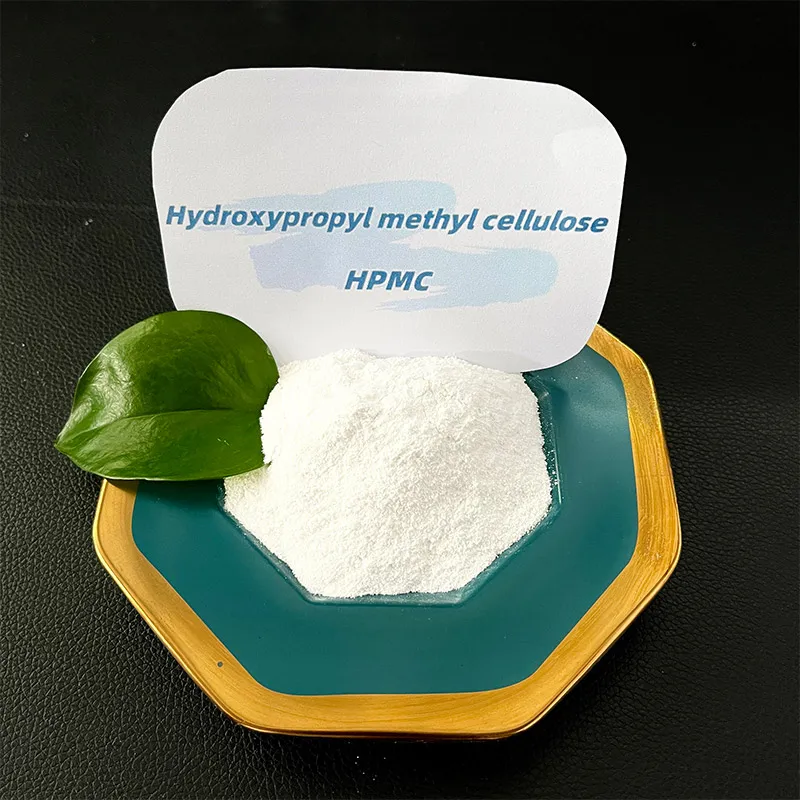
Hydroxypropyl Methylcellulose (HPMC) is a multifaceted compound that has garnered significant attention for its versatile applications across various industries. As someone with years of experience navigating the SEO landscape and understanding consumer needs, I can share insights into this compound that will elevate your understanding and buying experience. HPMC is a chemically modified cellulose polymer that boasts excellent properties such as high viscosity, solubility in water, and film-forming capability. Its non-toxic, hypoallergenic, and biodegradable nature makes it an optimal choice for numerous applications, in particular within the construction, pharmaceutical, and food industries. In the construction sector, HPMC is revered for its role in enhancing the performance of building materials. It significantly improves the workability and water retention of cement-based products such as tile adhesives, cement plasters, and mortars. By ensuring optimal curing processes, it enhances the end-product's durability and strength, reducing the likelihood of cracks and ensuring a long-lasting finish. For construction professionals seeking materials that promote efficiency and reliability, HPMC is an undoubtedly valuable addition. In the pharmaceutical arena, HPMC serves a critical function as an excipient. Its use in controlled-release formulations, where it acts as a matrix former, helps in modulating drug release rates, ensuring that therapeutic effects are distributed consistently over time. Additionally, it’s used in the fabrication of capsules and coatings, offering a reliable solution for those needing medication delivery that is both efficient and safe. Pharmaceutical experts regard HPMC as an indispensable ingredient due to its stability, safety, and effectiveness. buy hydroxypropyl methylcellulose The food industry benefits greatly from HPMC’s unique properties as well. It serves as a stabilizer, emulsifier, and thickener in diverse food products. For instance, in gluten-free baking, it provides the dough elasticity that gluten normally would, maintaining the texture and integrity of the final product. Food technologists appreciate its role in nailing the texture and consistency of food items without compromising on health or safety. A growing nod toward sustainability makes HPMC a notable subject of interest. Given its biodegradable nature, the product aligns with eco-friendly practices and offers industries a sustainable alternative to other synthetic compounds. Companies aiming to reduce their environmental impact are increasingly exploring HPMC as an integral component of their production processes. As you consider purchasing hydroxypropyl methylcellulose , it’s important to source from reputable suppliers who adhere to quality standards. Ensure that the suppliers you engage with provide transparent information regarding product specifications and certifications. This ensures that you are receiving a product that meets industry benchmarks for quality, safety, and efficacy, thereby enhancing your trust in its performance. In conclusion, the multi-industry utility of HPMC cannot be overstated. Its impressive range of properties makes it a versatile compound suitable for innovative applications across various domains. With the added benefit of being eco-friendly, its adoption provides not only performance advantages but also aligns with environmental sustainability goals. By embracing this compound, industries can witness enhanced product performance while contributing to a greener planet. When purchasing HPMC, prioritize quality, and certification to maximize its benefits in your specific application.
-
Understanding Gypsum-Based Chemical Additives Applications and Benefits Gypsum, a naturally occurring mineral composed of calcium sulfate dihydrate, has been used in construction and agriculture for centuries. However, its role extends beyond these traditional usages, particularly when combined with various chemical additives. This article delves into gypsum-based chemical additives, their applications, and the benefits they offer across different industries. What are Gypsum-Based Chemical Additives? Gypsum-based chemical additives are substances mixed with gypsum to enhance its performance and functionality. These additives can vary significantly in composition, including organic and inorganic compounds. The primary goal of these additives is to modify the properties of gypsum, making it more versatile and effective for specific applications. Some common additives include retarders, accelerators, and plasticizers. Applications in Construction In the construction industry, gypsum is a critical material used in the production of drywall, plaster, and other building materials. By incorporating chemical additives, manufacturers can improve the mechanical properties and setting times of gypsum products. 1. Retarders These additives slow down the setting time of gypsum, giving builders more time to work with the material before it hardens. This is particularly useful in large projects where extensive application is required. 2. Accelerators On the other hand, accelerators speed up the setting time of gypsum products. This feature is beneficial in situations where quick drying is needed, such as in repair work or time-sensitive projects. . Benefits in Agriculture гипс удаашруулагч химийн Gypsum-based chemical additives are not limited to construction; they also have significant applications in agriculture. Gypsum can improve soil structure, drainage, and aeration, while the addition of certain chemical agents can further enhance these effects. 1. Soil Amendment Gypsum helps to loosen compacted soil and improves water infiltration. When combined with organic matter or specific chemical additives, gypsum can significantly boost soil fertility. 2. Nutrient Management The addition of gypsum can help manage toxic levels of sodium in the soil, allowing crops to access essential nutrients more effectively. This is particularly beneficial in saline soil environments. 3. pH Regulation Some gypsum-based additives can help regulate soil pH, fostering an ideal environment for crops to thrive. This is essential for optimizing crop yield and quality. Environmental Impact and Sustainability In recent years, the emphasis on sustainable practices in both construction and agriculture has led to increased interest in gypsum-based chemical additives. These materials are environmentally friendly, as they are derived from natural sources and can enhance the sustainability of projects. For instance, the use of gypsum can help reduce waste in construction by allowing for the recycling of materials. In agriculture, gypsum can mitigate the adverse effects of soil salinity and improve the overall health of the ecosystem. Conclusion Gypsum-based chemical additives play a crucial role in enhancing the properties and functionality of gypsum in various applications. From improving construction materials to addressing agricultural challenges, these additives contribute to greater efficiency, effectiveness, and sustainability. As industries continue to seek innovative solutions to meet demands, the importance of gypsum and its chemical enhancements will undoubtedly grow. Understanding and leveraging these materials can pave the way for more sustainable practices, benefiting both the environment and economies worldwide. In conclusion, the diverse applications of gypsum-based chemical additives illustrate their significance in modern industries. Their ability to improve material performance while promoting sustainability showcases the potential for these natural minerals to address contemporary challenges. As research and development continue in this field, we can expect to uncover even more benefits, further solidifying gypsum’s role as a cornerstone material in construction and agriculture.
advantages
-

200000 Viscosities
Excellent product
We can produce pure products up to 200,000 viscosities
-

40000 tons
High yield
We don’t stop production all year round, and the annual output can reach 40,000 tons
-

24 hours
Quality service
We provide 24-hours online reception service, welcome to consult at any time
———— Inquiry Form
Schedule A services



-
 ano_ang_polypropylene_fiber
Oct . 25, 2025
In the dynamic world of industrial applications, the need for reliable and effective thickening agen - hydroxypropyl_methylcellulose_0_point_3_eye_drops_price
Oct . 25, 2025
Hydroxypropyl Methylcellulose (HPMC) E5 is a versatile and essential ingredient in various industrie -
 ano_ang_polypropylene_fiber
Oct . 25, 2025
In the dynamic world of industrial applications, the need for reliable and effective thickening agen


